Aleksandr Lang: How Maclear Connects Traditional Crowdlending with Crypto Crowdlending
In this interview, we speak with Aleksandr Lang, Co-Founder and CFO of Maclear, about the platform’s business lending model, how 8lends fits into the wider ecosystem, how loans are sourced and assessed, and what investors should understand about returns, regulation, and risk.
Can you briefly describe Maclear and the type of investor it is built for?
At Maclear, we've built a Swiss-based peer-to-business crowdlending platform. We founded the company in 2020 and launched our first project in 2023, connecting everyday investors with European businesses that need funding to grow. These are small and medium-sized companies in the real economy — manufacturing, trade, logistics, construction — and every loan is secured by collateral and backed by a provision fund. From just €50, investors earn monthly payouts of up to 16%, with a secondary market and AutoInvest available. We built it for EEA investors seeking a passive, higher-yield way into European business debt.
Where do the loans and borrowers listed across Maclear and 8lends come from, and what role does Maclear AG play in sourcing, underwriting, rating, and collateral management?
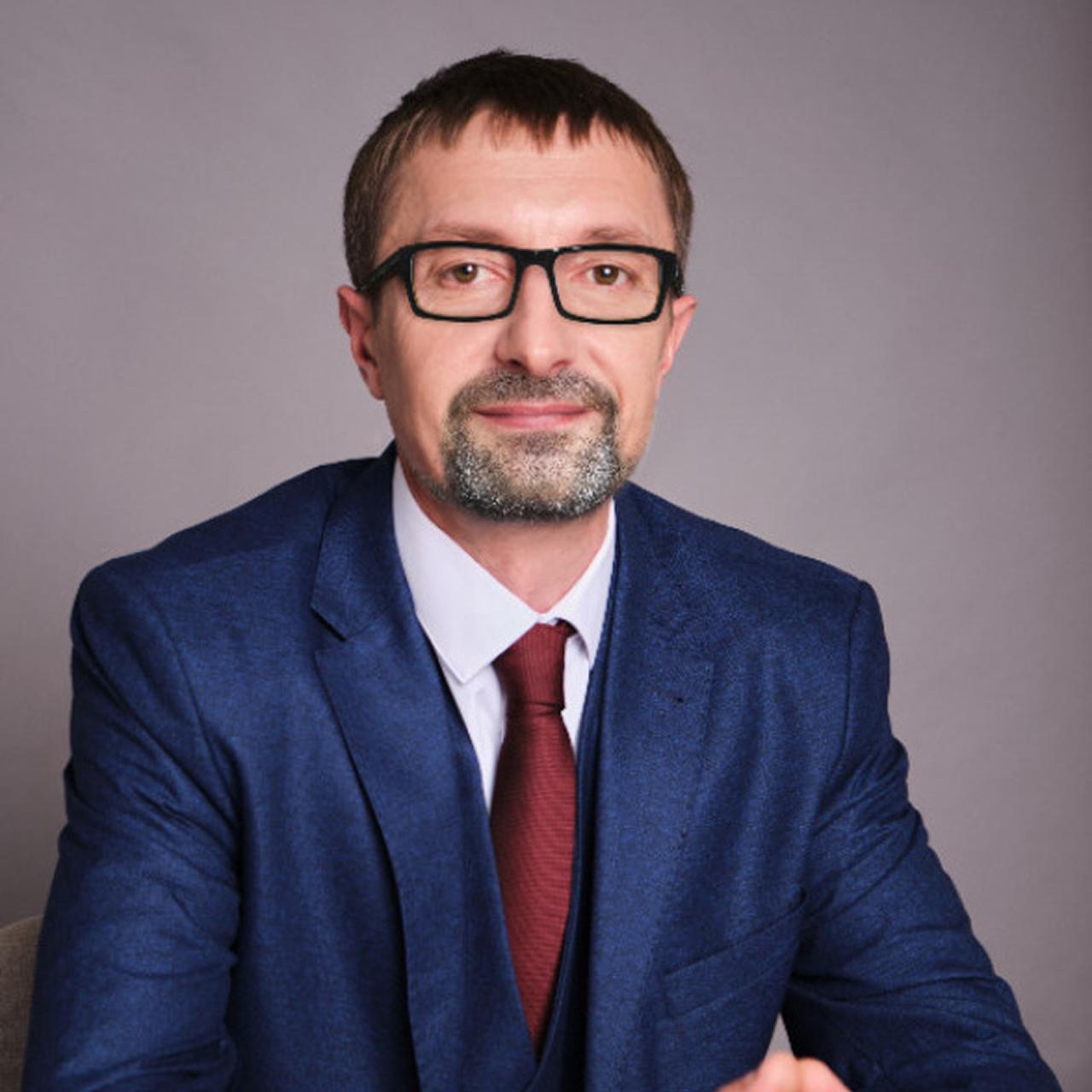
8lends is a separate, independent platform with its own legal entity; Maclear AG acts as the Collateral Agent and underwriting engine, and 8lends relies on that engine to source and vet borrowers. Borrowers apply through Maclear's official form and go through a full KYB (Know Your Business) process.
Maclear AG's analysts, lawyers, and risk specialists then run a financial and legal audit — assessing financial stability, debt load, loan-servicing ability, and verifying pledged collateral against around 40 internal criteria, after which each borrower receives an AAA-to-D rating. Only vetted projects get listed for investors. So sourcing, due diligence, and collateral management are all handled by Maclear AG; 8lends operates the smart-contract layer that distributes those loans to investors.
How should investors understand the relationship between Maclear and 8lends in terms of borrowers, loan selection, statistics, and legal structure?
Investors should see them as two independent platforms sharing one underwriting engine. Maclear AG is the Swiss platform and acts as the Collateral Agent; 8lends is the newer Web3/DeFi platform. Borrowers and loan selection are shared: Maclear AG runs due diligence, collateral valuation, and ratings for both, so the borrower pool and vetting standards overlap. Statistics are separate, though.
Each platform reports its own funded volume, investor count, and track record — Maclear's are larger and longer; 8lends is smaller and newer — so we don't merge the numbers. Legal structure differs most. Maclear AG is Swiss, regulated via PolyReg SRO. 8lends is operated by Alpha Systems LLC (Saint Vincent and the Grenadines) — a separate legal entity with its own registration — with Maclear AG acting as Collateral Agent. That means different jurisdictions, protections, and risk profiles — worth weighing carefully.
What is the difference between investing through Maclear and investing through 8lends?
It's the same investment story — the same vetted business loans and the same underwriting — just through different instruments. Maclear is the fiat version: you invest in euros from €50, get monthly interest payouts, and returns run up to ~16%. It's Swiss, regulated via PolyReg SRO, and open to EEA residents. 8lends is the Web3/DeFi version: you invest in USDC through a crypto wallet, from $100.
Crypto rails cut out intermediaries like banks, so more of the return goes to the investor — yields run up to ~25%. Security is equal: Maclear AG vets borrowers and holds collateral for both, and 8lends adds smart-contract protection on-chain. The real difference is access — Maclear is EEA-only, while 8lends works almost worldwide.
When a borrower is funded through Maclear, what currency do they receive and repay in, and who bears any EUR/CHF/USDC conversion or stablecoin risk?
When a business is funded through Maclear, it receives and repays the loan in EUR. When funded through 8lends, it receives and repays in USDC. In both cases, the borrower operates in the platform’s base currency, so any currency conversion or stablecoin-related risk sits with the borrower — investors are not exposed to EUR/CHF/USDC conversion risk arising from the borrower’s business operations.
What types of investments are available on Maclear today?
Today, Maclear's core offering is collateral-backed loans to European SMEs (peer-to-business lending), complemented by consumer-loan projects — so there is some variety in duration and profile. Everything is accessible through a few different mechanisms:
Primary market: you manually pick individual projects, funding real-sector businesses (manufacturing, trade, logistics, construction) from €50, with business projects typically running 12–14 months and monthly interest payouts. Consumer-loan projects are consistently popular and offer competitive returns of around 14.7–15%, with typical terms of 9–14 months — for example, past consumer-lending campaigns have run at 15% interest with a 9-month maturity.
AutoInvest: launched in July 2025, it auto-allocates your funds to projects matching your chosen criteria — country, risk rating (AAA to D), interest rate, and loan term.
Secondary market: lets you buy others' loan positions or sell your own for an early exit, at par or up to a 50% discount.
So beyond the choice between business and consumer-loan projects, the distinction is mainly in how you access them — manual, automated, or secondary. There's no equity or real-estate fund product; it's collateralized loan debt throughout.
How is Maclear regulated, and what does that mean in practice for investors?
Maclear operates through Maclear AG, a Swiss company, and is a member of PolyReg SRO — a self-regulatory organization recognized under Switzerland's anti-money-laundering framework and overseen within the FINMA-supervised system. In Swiss terms, that makes Maclear a financial intermediary supervised for anti-money-laundering purposes in the non-banking sector — a specific and deliberately narrow form of oversight, not a banking or securities license.
In practice, that mainly means AML, KYC, GDPR, and beneficial-ownership compliance (hence the KYC checks and Swiss Form A after your first investment). It does not mean deposit insurance or investor-protection guarantees like a bank or a fully licensed investment firm.
I want to be direct about the limits: SRO membership is a lighter form of oversight than a full financial license. We have applied for the EU's ECSP crowdfunding license and are working through that process, but we don't hold it yet. So the regulation is real, but it doesn't remove capital risk or guarantee repayment — and I believe investors deserve to hear that plainly.
What returns and risks should investors realistically expect on Maclear?
Our projects target annual returns in the 14–16% range, with loyalty tiers adding up to a few points for committed investors. But I’d rather talk about how that return is structured than the number itself. Every loan is collateral-backed, and we layer a Provision Fund — funded by 2% of every project — on top of that. The fund is designed to keep interest flowing to investors while we work the recovery process; principal recovery relies on the collateral itself. Terms are typically short — projects run 9 to 14 months — which limits duration risk. Before projects reach investors, borrowers go through a multi-stage due diligence process: legal and financial checks, AML screening, and risk-based scoring — projects that don’t meet our threshold aren’t listed.
I’m candid about what we don’t eliminate: this is SME credit, so default risk is real, recovery takes time, and liquidity depends on the secondary market. We’re a young platform still building our audited track record. My job is to make the risk transparent and the protections structural — not to promise it away.